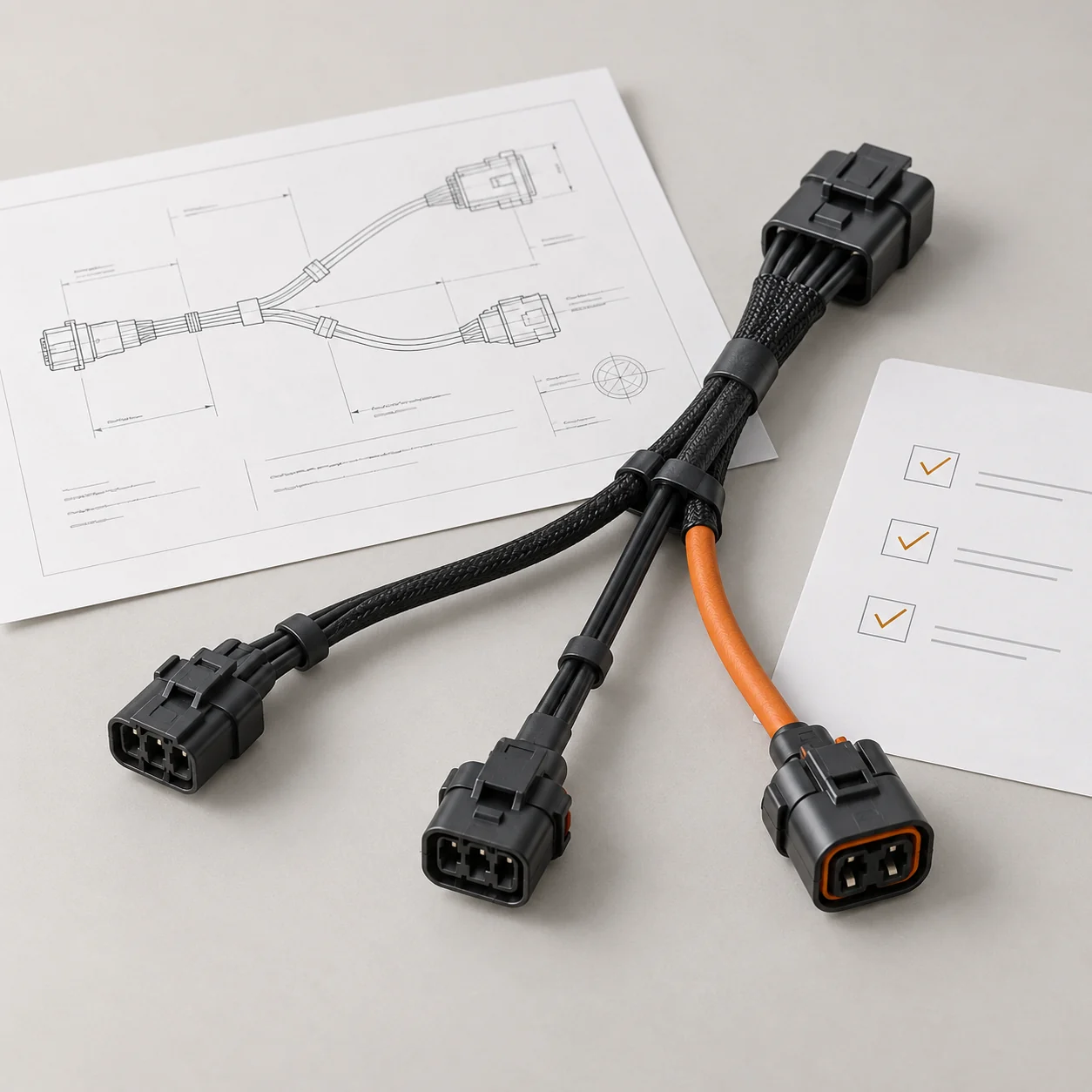
Robot Wire Harness Manufacturer
JTY manufactures robot wire harnesses for AGVs, AMRs, robot arms and collaborative robots. Assemblies are built to your drawings or samples.
View Harness Categories

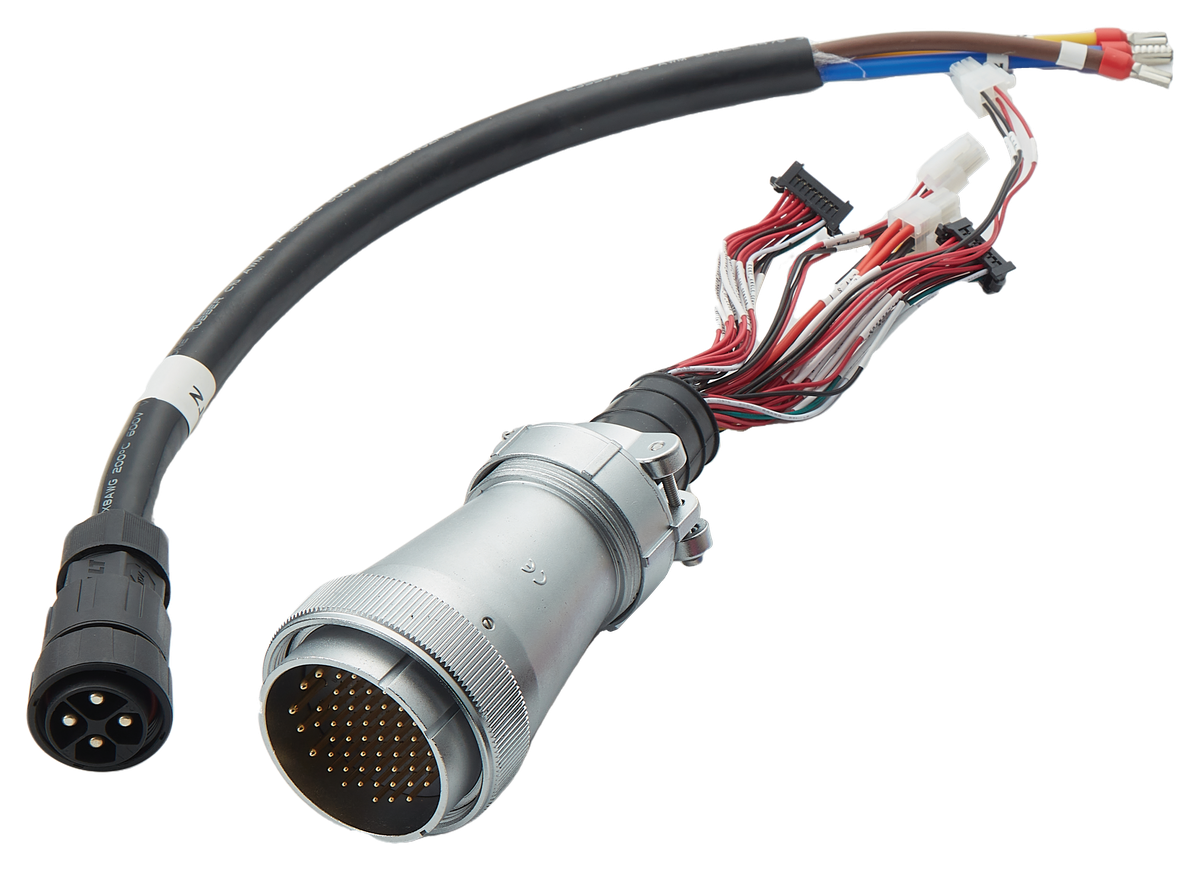
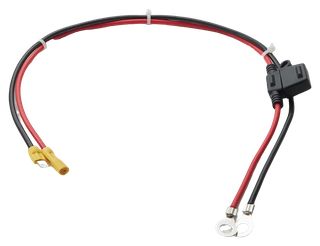

Robot Wire Harness Categories
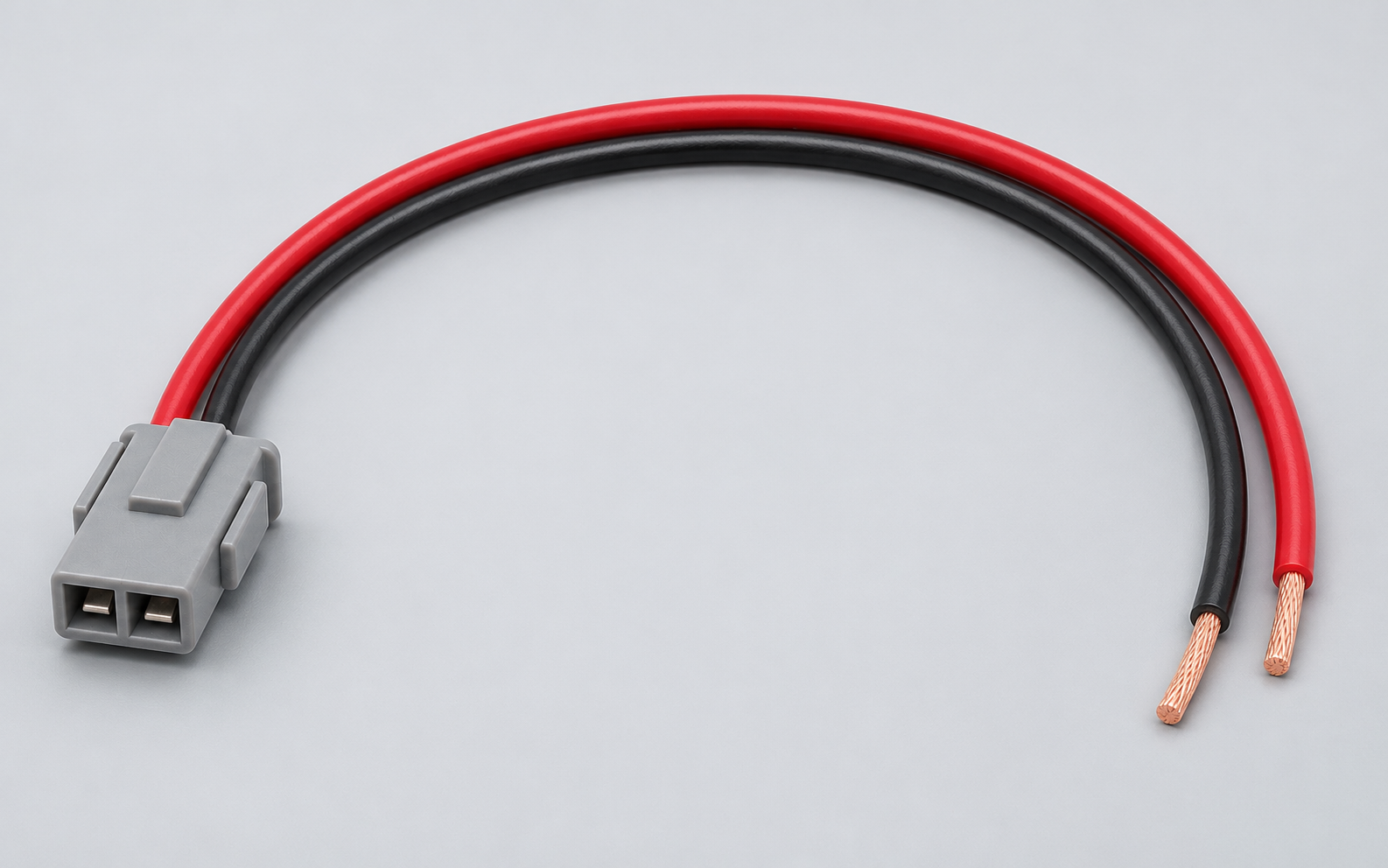
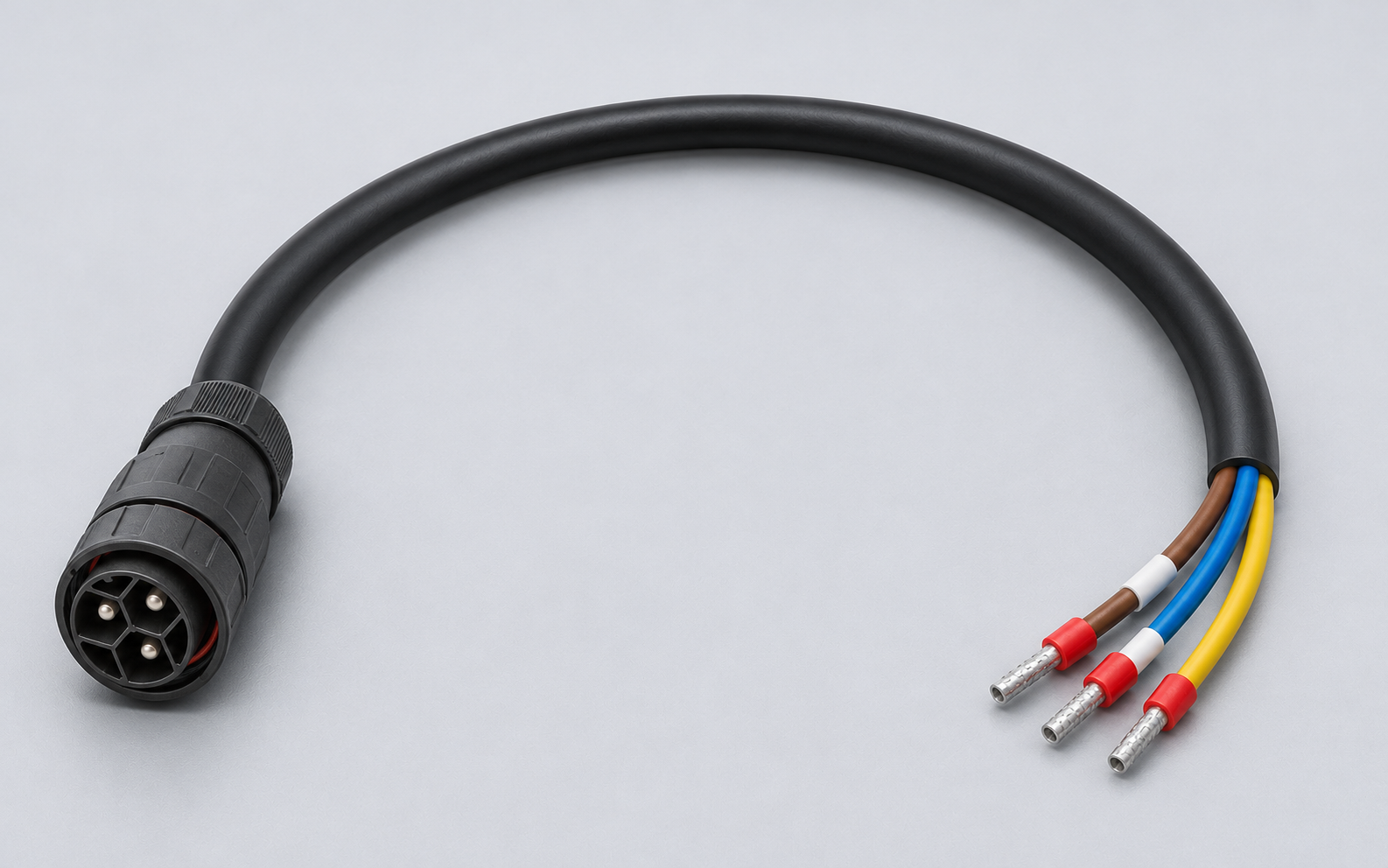
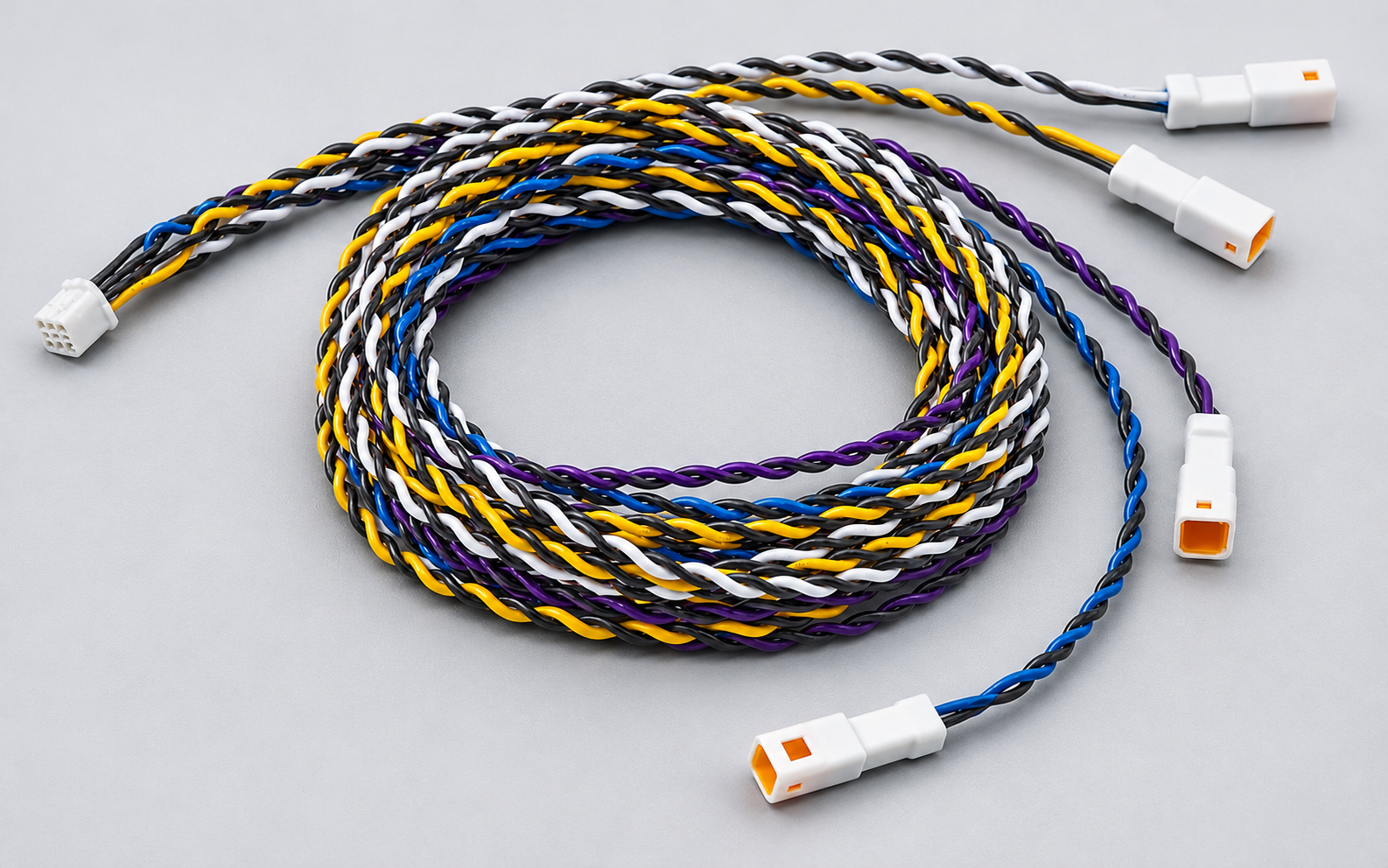
AGV & AMR Wire Harnesses
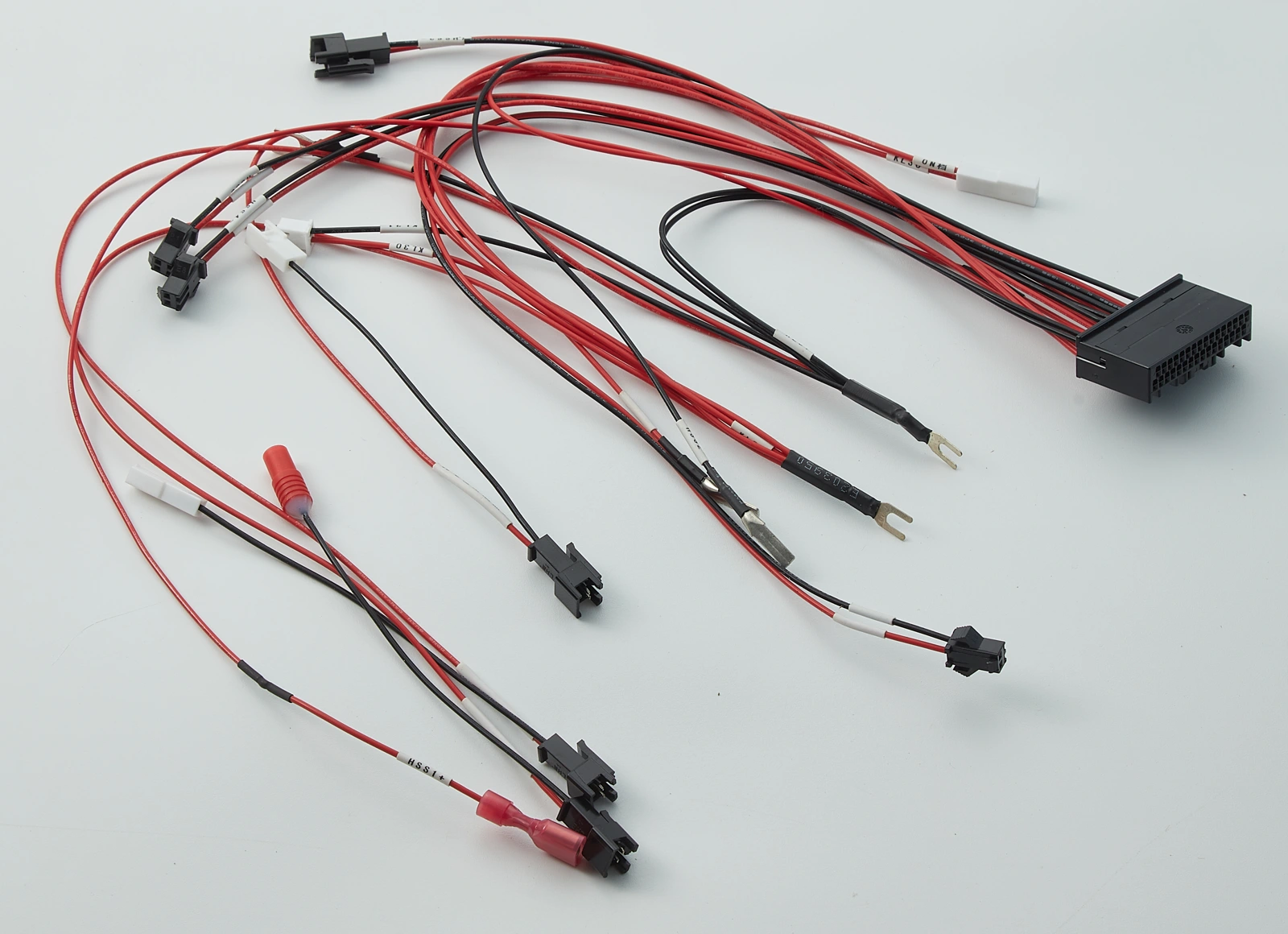
Battery, drive and sensor connections can be ordered as individual leads or branched harnesses. The equipment drawing defines each connection and the parts included.
Battery power leads · Branched sensor harnesses
View AGV & AMR HarnessesAssembly Scope and Quotation
The quoted bill of materials, drawing revision and quantities establish the scope of each price. Identify any mating connector halves and loose parts included in the quotation. State whether the assembly is supplied with both ends terminated or needs termination during equipment assembly. An installation opening smaller than a connector can affect that sequence.
| Purchase unit | Compare the quotation | Decision for the buyer |
|---|---|---|
| Individual lead | Price and quantity per lead, with both ends and included parts identified. | Compare the unit price and quantity for each lead part number. |
| Branched harness | Price and quantity per harness, with branch destinations and included parts identified. | One harness can cover several connections; its price applies to the complete specified harness. |
| Multiple part numbers | Unit price and order quantity for each requested assembly, plus any included loose parts. | Compare each part on the same basis before adding the order total. |
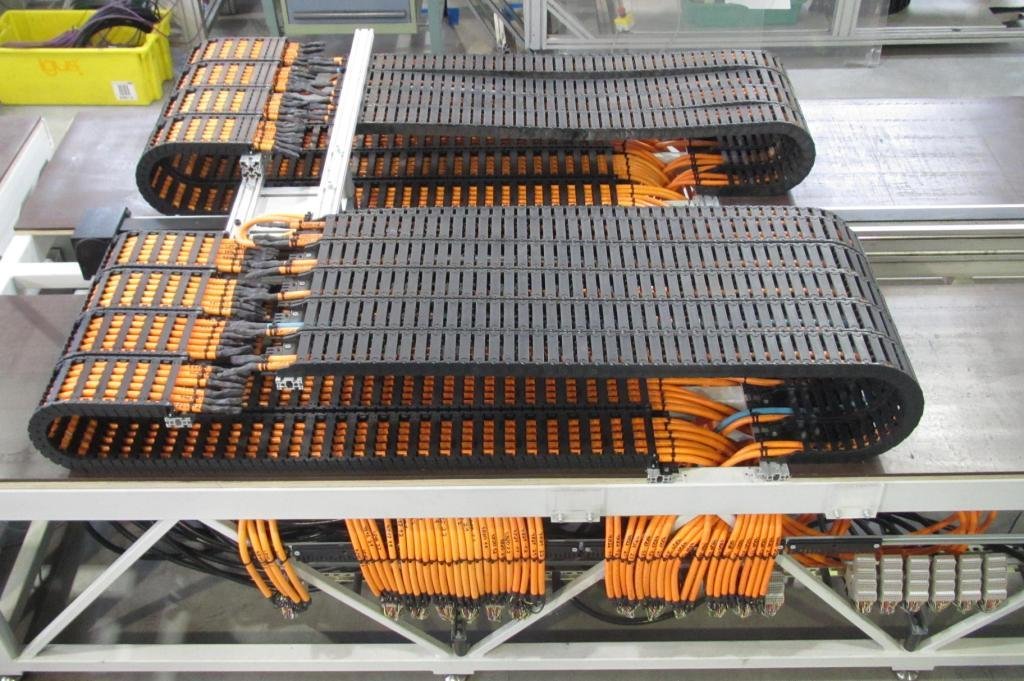
Cable and Connectors by Robot Motion
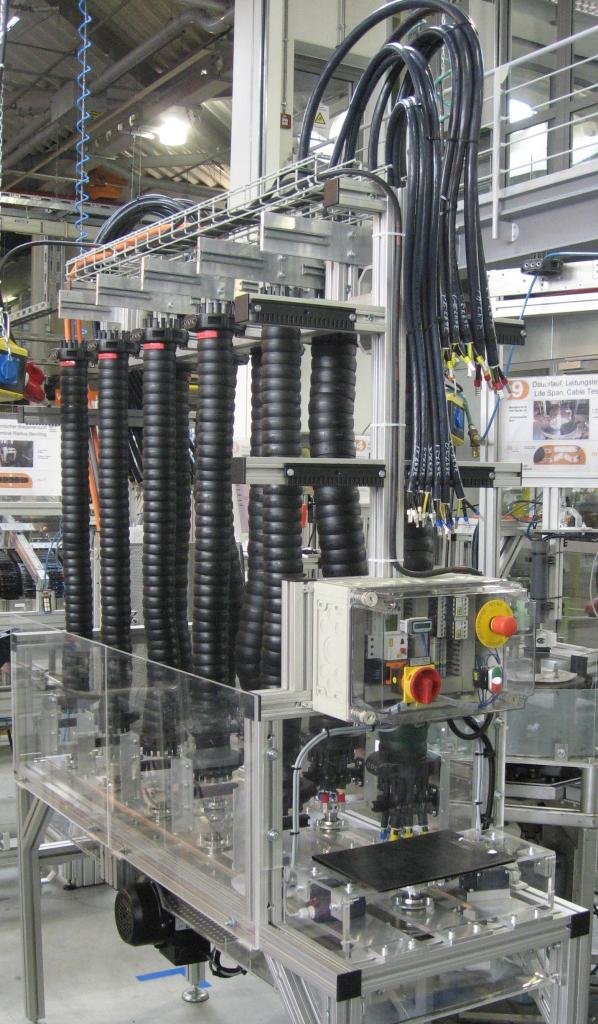
Different sections of a route can remain fixed, bend repeatedly or twist. Select the cable for the movement and space at each section. Record the intended route and fixing points on the drawing.
| Route condition | What changes the selection | Drawing or specification output |
|---|---|---|
| Fixed route | Compare the cable's static bend radius with the installed route. | End references, installed length, bend radius and available clearance. |
| Repeated bending or drag-chain travel | Compare bend cycles at the stated moving bend radius. A static bend radius alone does not describe repeated flex life. | Moving length, bend radius, travel and required test cycles. |
| Axial twisting | Compare torsion angle over a stated active length and cycle count. A bend-cycle figure alone does not describe torsion life. | Twist angle, active length, cycle count and fixing points. |
| Combined movement | Compare both bend and twist conditions for the sections that experience them. | Identify each motion zone and the transition between fixed and moving sections. |
Compare test conditions as well as cycle counts. For example, a cable datasheet may specify bend cycles at a stated radius or a torsion angle per meter at a stated cycle count. These are comparison methods, not a performance guarantee for a JTY assembly. Connector bodies and cable exits also need clearance for installation and movement.
Shielding, Molded Ends and Parts Sourcing
Shielded Harnesses
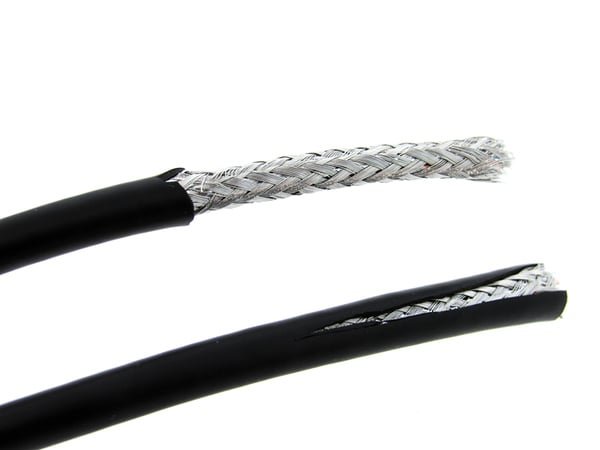
JTY builds shielded cables and harnesses. The wiring drawing should identify the required shield termination at each end.
Molded Ends
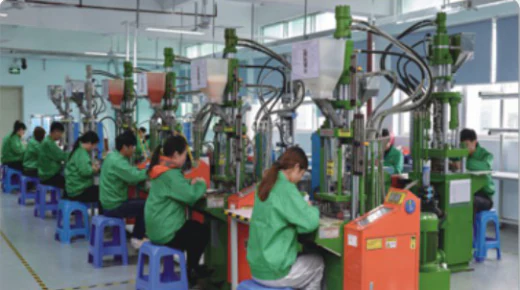
JTY molds custom ends in its own molding workshop. New molds carry a separate mold charge. A stock connector housing needs no new mold. Show any new mold charge separately when comparing the first order with a repeat order; the repeat-order quotation defines any applicable charges.
Wire and Connector Sourcing
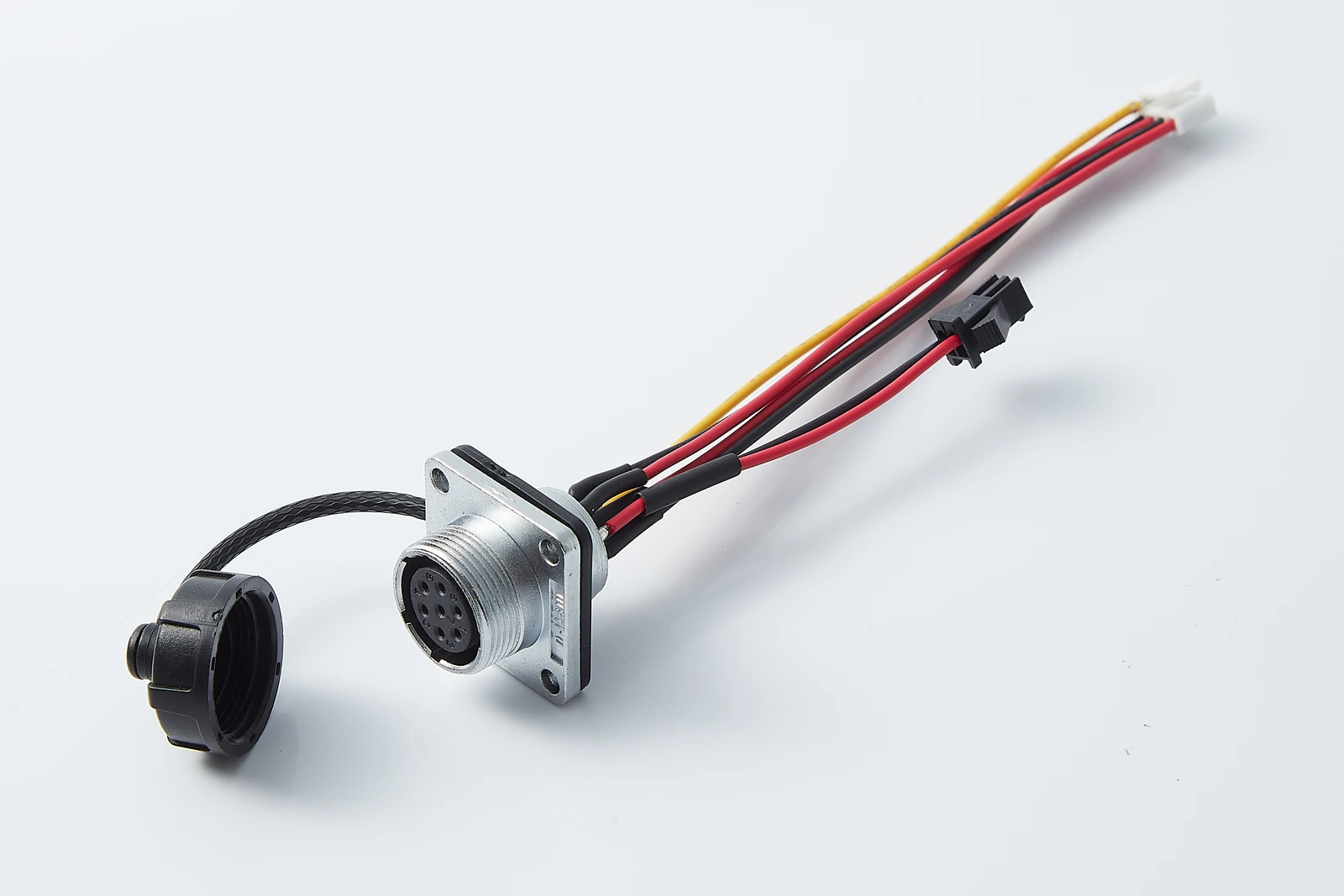
JTY sources the wire and connectors listed on the drawing. JTY also assembles customer-supplied connectors. An alternative enters production only after customer approval.
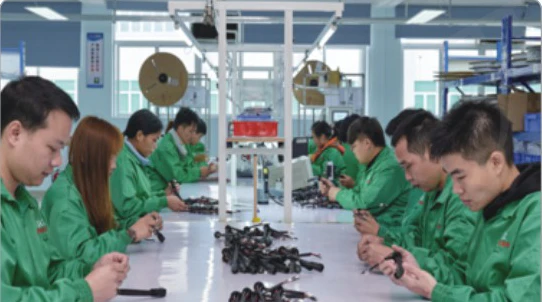
Built and Tested in JTY’s Plant
2,000 m² Facility
10 Assembly lines
30+ Vertical injection molding machines
JTY has wire bending and torsion test equipment. The drawing and order define the inspection coverage, methods, acceptance limits and requested records for the assembly.
| Test | What it checks | Acceptance basis to specify |
|---|---|---|
| Wire bending | Flex life of moving cable sections. | Bend radius and cycle count on the drawing. |
| Torsion | Twisting life of moving sections. | Twist angle, active length and cycle count on the drawing. |
| Insertion and withdrawal | Mating force and cycles of service connectors. | Force and cycle count on the drawing. |
| Crimp cross-section | Conductor compression in a sectioned crimp. | Terminal maker's crimp specification. |
| Continuity, polarity and pin assignment | Circuit connections between the specified pins. | Wiring table on the drawing. |
| Precision resistance | Resistance of power leads and contacts. | Limit on the drawing. |
| Withstand voltage | Insulation between specified circuits and shield. | Test voltage on the drawing. |
| Electronic load | Heating of power leads at the working current. | Current and temperature-rise limit on the drawing. |
| High/low temperature aging | Insulation and contacts after hot and cold exposure. | Temperatures and exposure times on the drawing. |
| Temperature-humidity | Insulation and contacts after damp heat. | Temperature, humidity and exposure time on the drawing. |
| 2D optical measurement | Terminal, crimp and molded-end dimensions. | Tolerances on the drawing. |
Agree which tests, samples or assemblies, methods, limits and records the order requires. Assign the installed robot trial fit to the equipment owner, OEM or appointed integrator. Record trial-fit findings and any drawing changes before releasing the production version.

From Drawing to Batch Production

01 Drawing Review
The JTY engineers who review the drawing stay on the project through samples, batch production and repeat orders. The quotation identifies sample and courier fees and any separate new mold charge.
02 Sample in 3–7 Days
Samples are ready in 3–7 days once the configuration is agreed. Check the sample against the intended connections, installation route and movement on the equipment.
03 Sample Approval
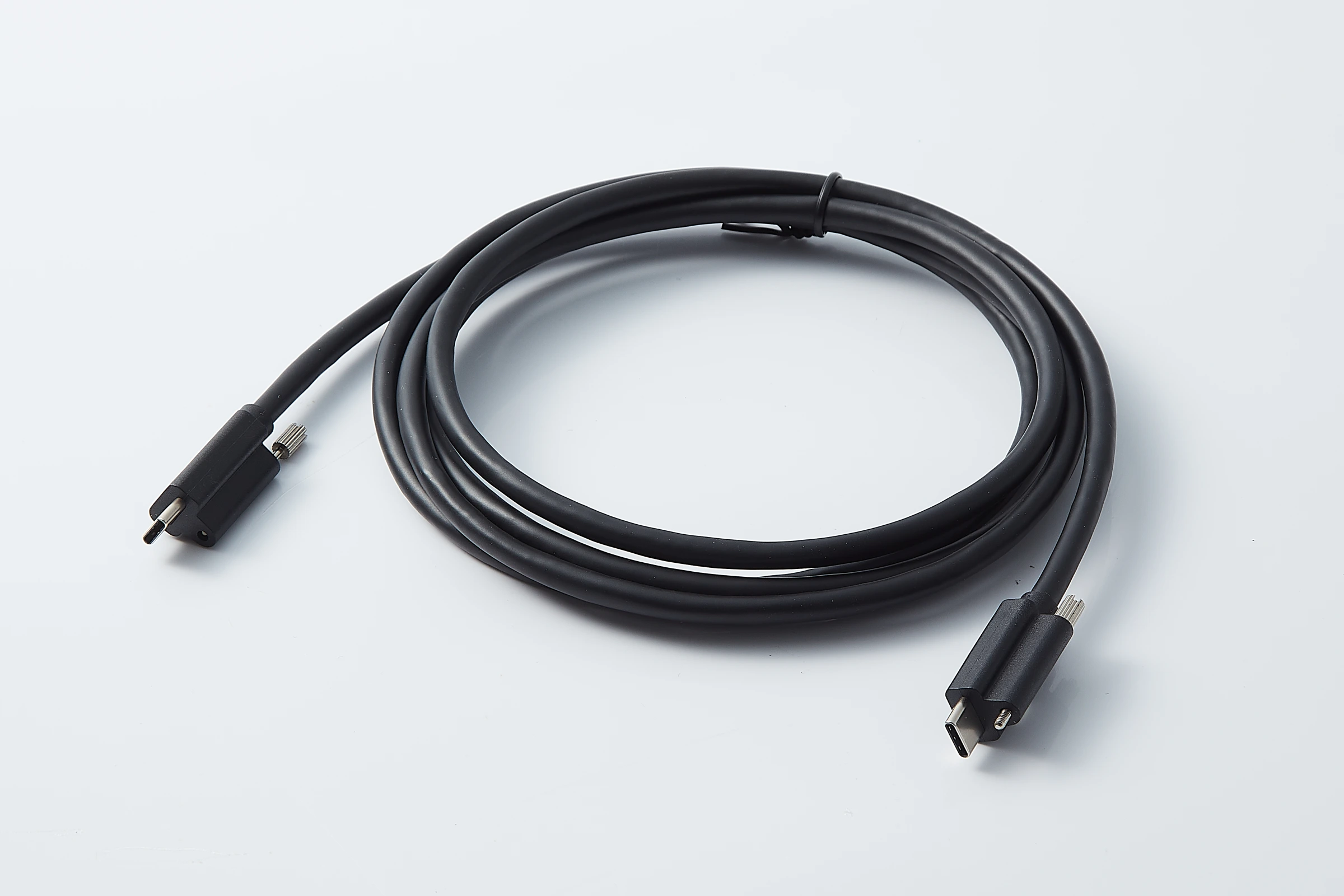
Batch production starts after customer sample approval. Identify the approved sample and drawing revision on the production order.

04 Batch Production and Repeat Orders
Batch production takes about 30 days after order confirmation. The minimum batch order is 50 pieces. For repeat orders, changes to parts, quantities or the released drawing can affect the quotation and schedule.
Robot Wire Harness FAQ
Can JTY build from a sample if we do not have a complete drawing?
JTY builds to drawings or samples. The sample and available connection information provide a starting point for review. The production order should identify the agreed assembly and drawing revision.
Does JTY make waterproof harnesses for exposed robot connections?
JTY builds IP67 waterproof wire harnesses with circular or flange connectors and can add custom molded ends. Identify the connection, mating state and required protection on the drawing. The applicable rating depends on the specified assembly and its conditions.
Is JTY UL certified?
JTY holds UL certification. Identify the certificate and its scope for the assembly being purchased. A component marking alone does not establish certification of the complete harness.
Contact Us
Tell JTY about your connector, wire harness or cable assembly project. Share the drawings, specifications or sample details you have for an initial review.