Renewable Energy Wire Harness
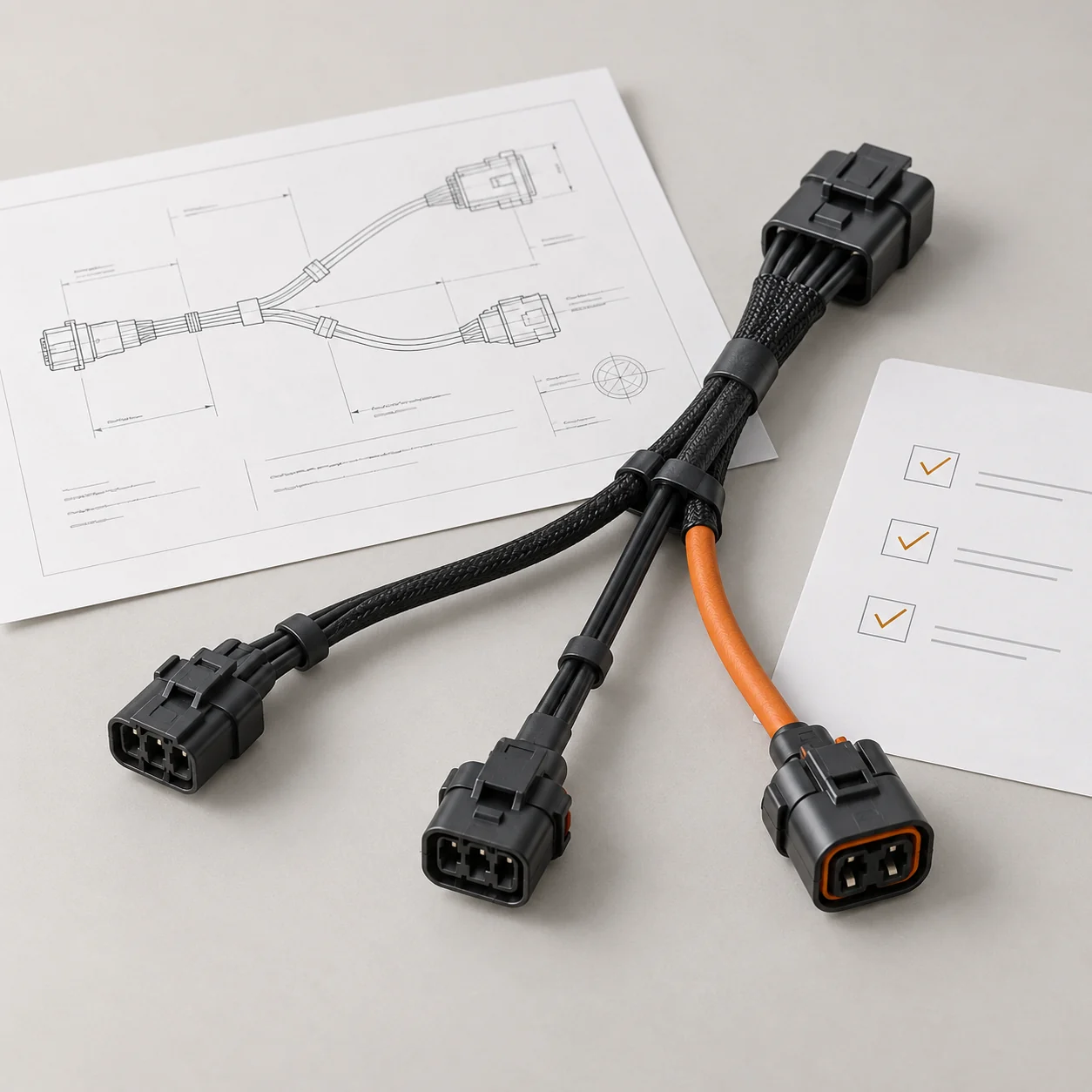
JTY manufactures renewable energy wire harnesses for PV arrays, inverters and chargers, including solar string harnesses, combiner box leads and charging equipment cable assemblies. String harnesses are rated 1500V DC, with Y to 6-to-1 branches and IP68 molded junctions available. PV connectors and H1Z2Z2-K cable are sold separately for on-site termination. Samples are ready in 3–7 days, and you check fit and routing on the sample before batch production.

Each end mates directly with module leads carrying the same connector brand and type.
Branch and output lengths match the module spacing and the run to the combiner box on your layout.
Solar and Charging Products
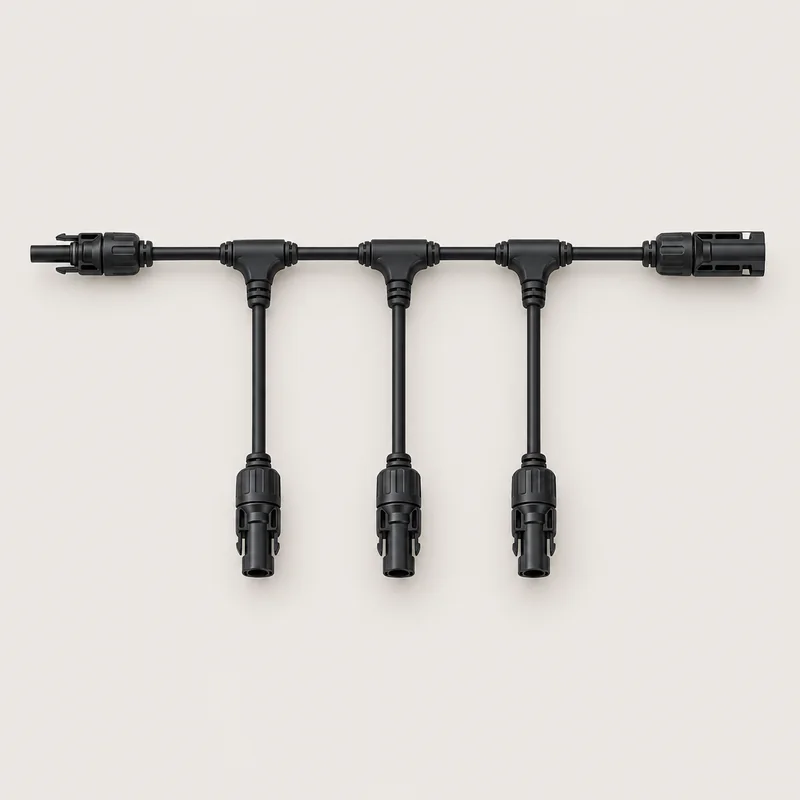
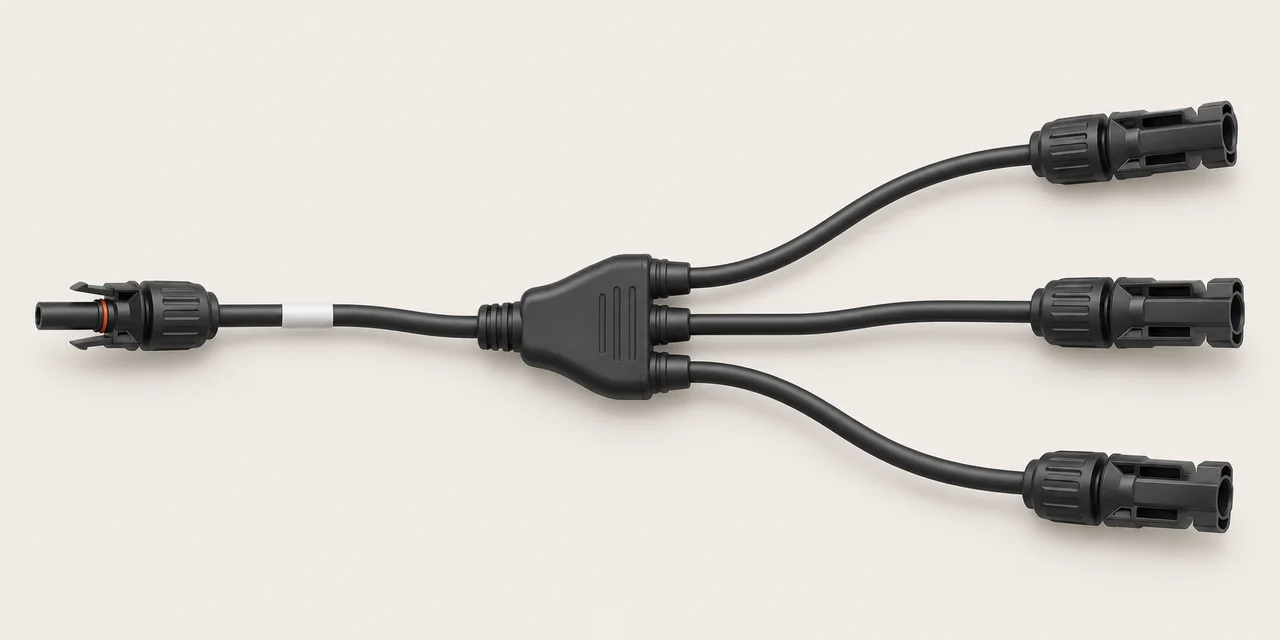
Solar String Harness
Y-branch and multi-input harnesses that combine PV strings into one output lead.
Y to 6-to-1 · 1500V DC · 4–10 mm² · IP68 junction option

Solar Connectors
Male and female PV connectors supplied as parts for assembly lines and field termination.
1000V DC · 30A · 2.5–6 mm² · IP67 mated
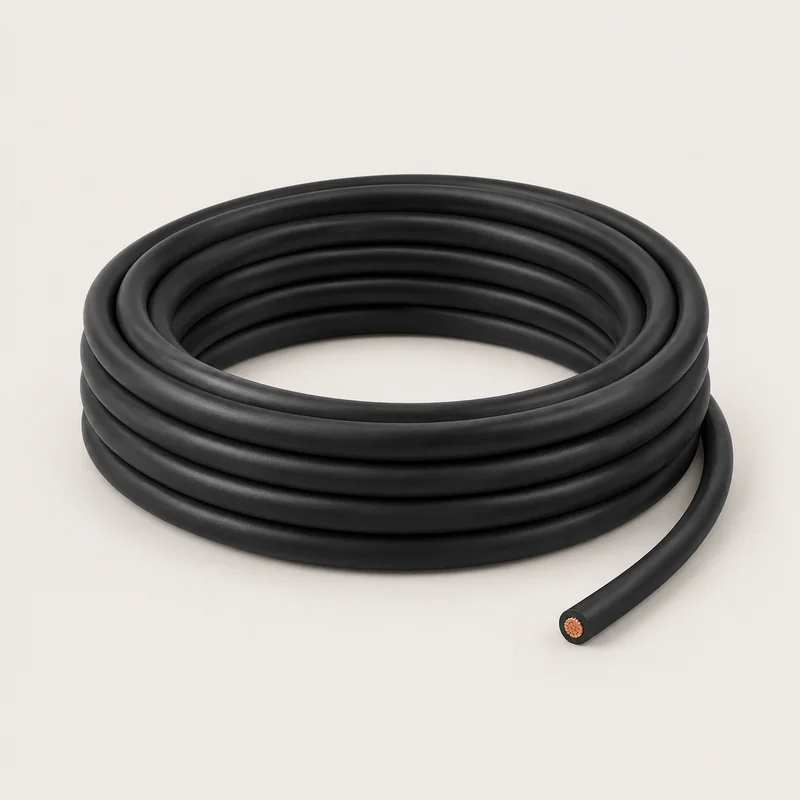
PV Cable
Single-core H1Z2Z2-K solar cable for module extensions and home runs cut on site.
EN 50618 · 1500V DC · 4, 6, 10 mm²
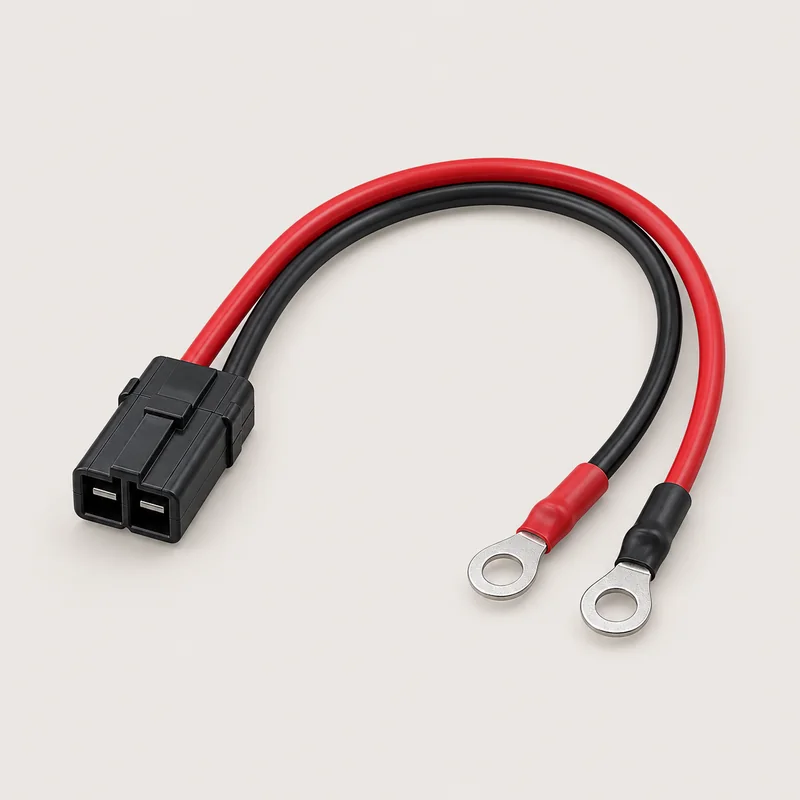
Charging Equipment Cable Assemblies
Plug-to-lug power leads, panel connector assemblies and branched harnesses for chargers and power equipment.
Two-pole plug to ring terminals · Built to drawing
Choosing a Supply Format
| Format | Suits | Arrives as | Work left for you | Send for a quote |
|---|---|---|---|---|
| Solar string harness | Repeated string layouts | Finished harness with connectors | Plug in and fix to the rail | String count, connector brand, lengths |
| Solar connectors | Your own assembly line | Housings, contacts and seals | Strip, crimp and assemble | Quantity, cable size and diameter |
| PV cable | Routes measured on site | Unterminated cable | Cut, strip and terminate | Cross-section and total length |
| Charging assemblies | Internal equipment wiring | Finished leads and panel assemblies | Bolt the lugs and mate the plug | Drawing with lug hole, cable size and current |
Built to Your Harness Drawing
A complete drawing lists connector part numbers, wire size per circuit, lengths with tolerances, junction type and label text.
End Connections
Connector ends follow the brand and part number on your BOM, including Stäubli MC4 and MC4-Evo 2, TE PV4-S and Amphenol H4S. The part number also sets the wire size and cable diameter each end accepts.
Lengths & Branches
Each lead length and branch position is drawn with a tolerance and a measuring point, and the first sample is measured against both.
Wire & Termination
Branch and output leads can use different wire sizes in one harness, each crimped with the contact made for that size.
Protection & Labels
Sleeving, heat-shrink or a molded junction covers sections exposed to abrasion or water. Labels carry the harness reference, circuit position and a serial number or barcode.
Manufacturing & Testing
The JTY plant is certified to ISO 9001, IATF 16949 and ISO 14001.
Terminal Processing
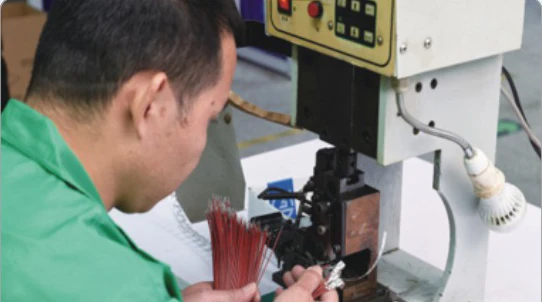
Automatic terminal machines crimp high-volume leads, and crimping workstations handle large lugs and PV contacts. Crimp height and pull force are checked against the terminal maker’s values, and crimps outside them are rejected.
Harness Assembly
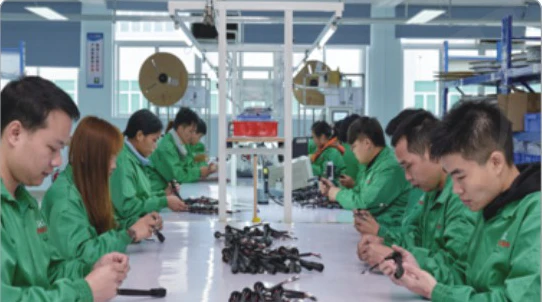
Harnesses are built on a full-scale layout board made from your drawing. Branch, sleeve and label positions stay the same on every unit.

Injection Molding
More than 30 vertical injection molding machines mold junctions, strain reliefs and custom ends around the cable. Repeat orders use the same mold.
Visual Inspection
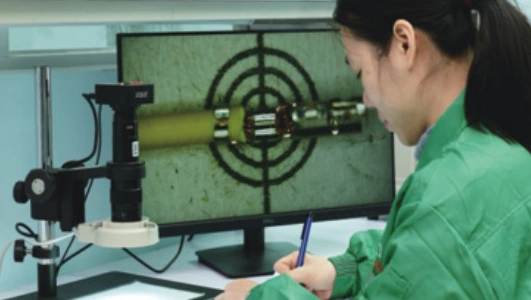
Stray strands, insulation damage and crimp position are checked under magnification before contacts go into their housings. A stray strand can pass a continuity test and later short against the next contact.
Electrical Testing
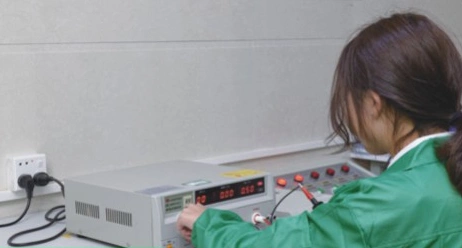
Withstand-voltage, continuity and connection resistance tests run on finished assemblies. On request, temperature-rise testing measures how high-current leads heat at rated current.
Dimensional Measurement
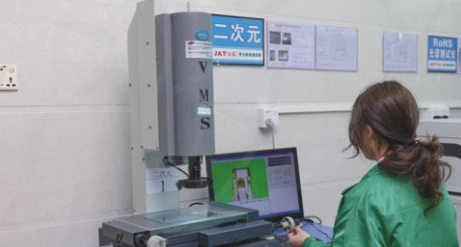
Optical measurement checks molded parts, panel flanges and hole positions against your drawing.
Test Records
- Sample approval
- First samples ship with a crimp cross-section report.
- Order reports
- When an order requires reports, results are recorded by part number, drawing revision and quantity.
- Batch references
- Packing labels link part numbers and batch references to the inspection documents.
Assemblies by Installation Point
Outdoor PV leads use 1500V DC or 1000V DC connectors on PV cable. Leads inside cabinets and chargers end in panel connectors or ring terminals.
Module Strings & Array Wiring
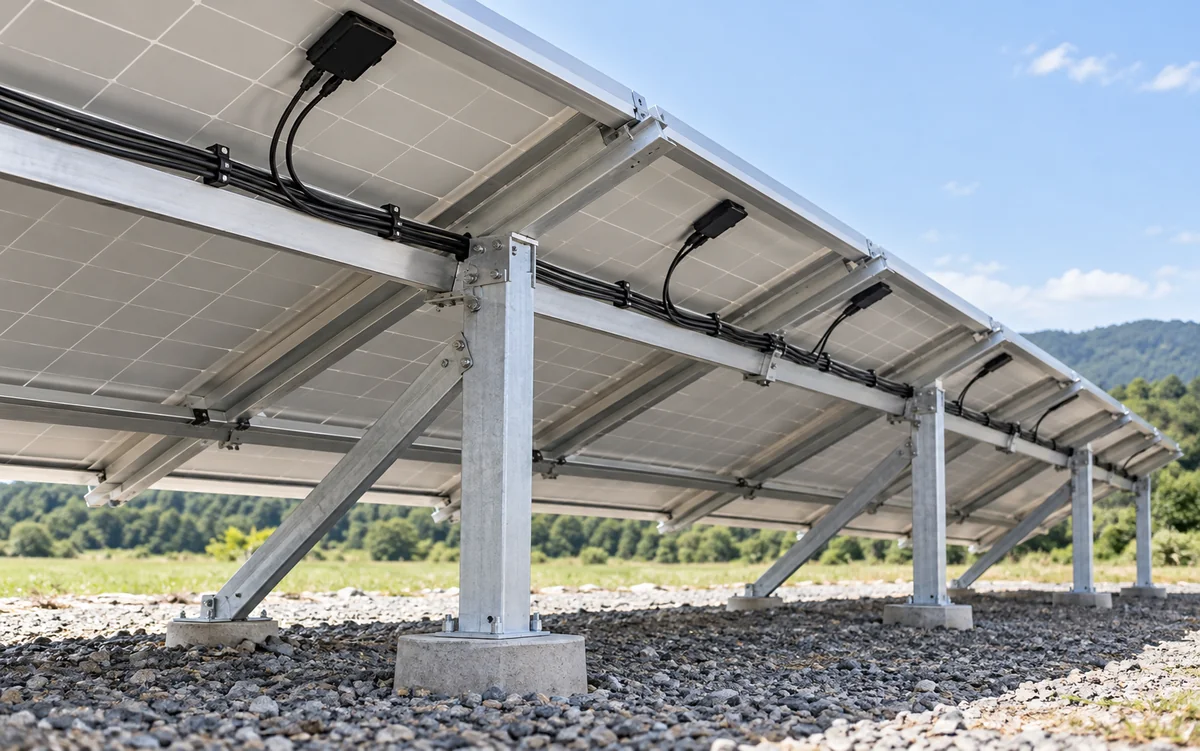
A 1500V DC array needs connectors rated 1500V DC. The JTY connector pair is rated 1000V DC and suits arrays up to 1000V DC. Under IEC 62548, each string needs a fuse when reverse current from the other parallel strings can exceed the module’s maximum series fuse rating. A 3-to-1 or larger harness that meets this condition needs an inline fuse on each branch ahead of the junction; mark the fuse rating on the drawing.
Combiner Box Input & Output
Input leads carry a PV connector on the field side and a ferrule or ring terminal for the fuse holder or terminal block inside the box. Output leads run to the inverter or recombiner on a conductor sized for the combined string current.
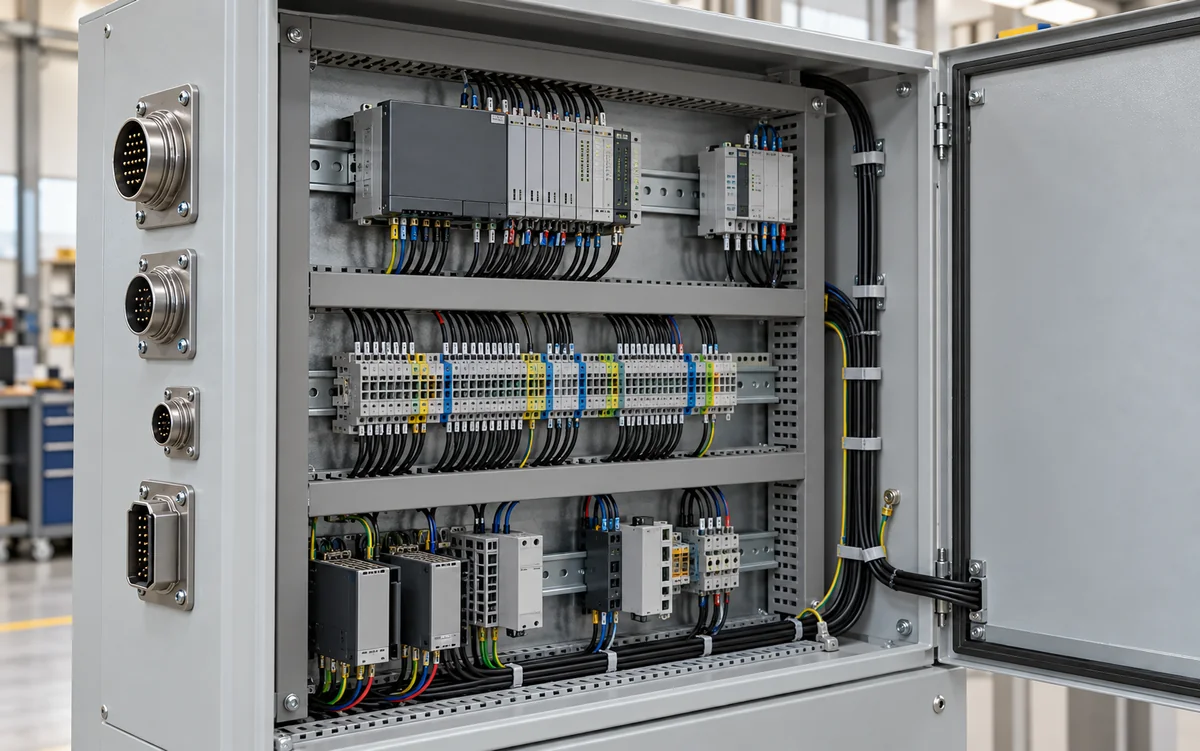
Charger & Cabinet Panel Assemblies
Panel-mounted assemblies give the cabinet a fixed connector face, with terminal-ended leads routed behind it. Quotes need the panel cut-out, panel thickness and depth behind the panel.
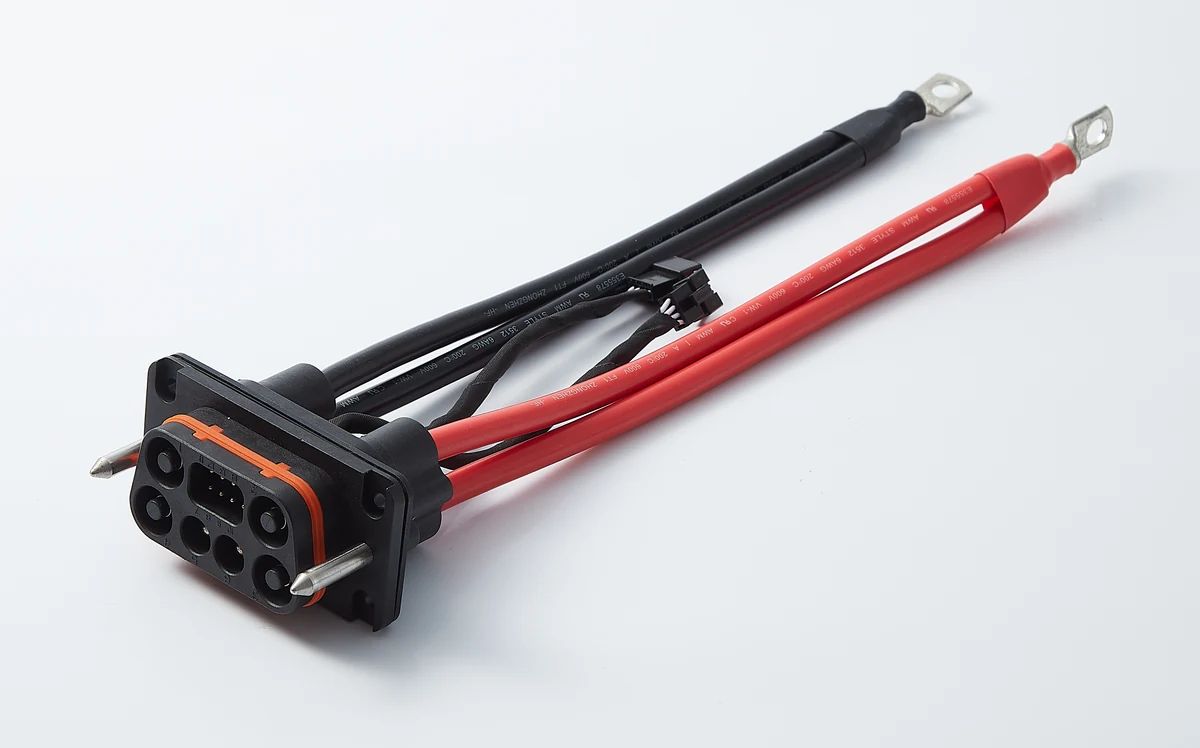
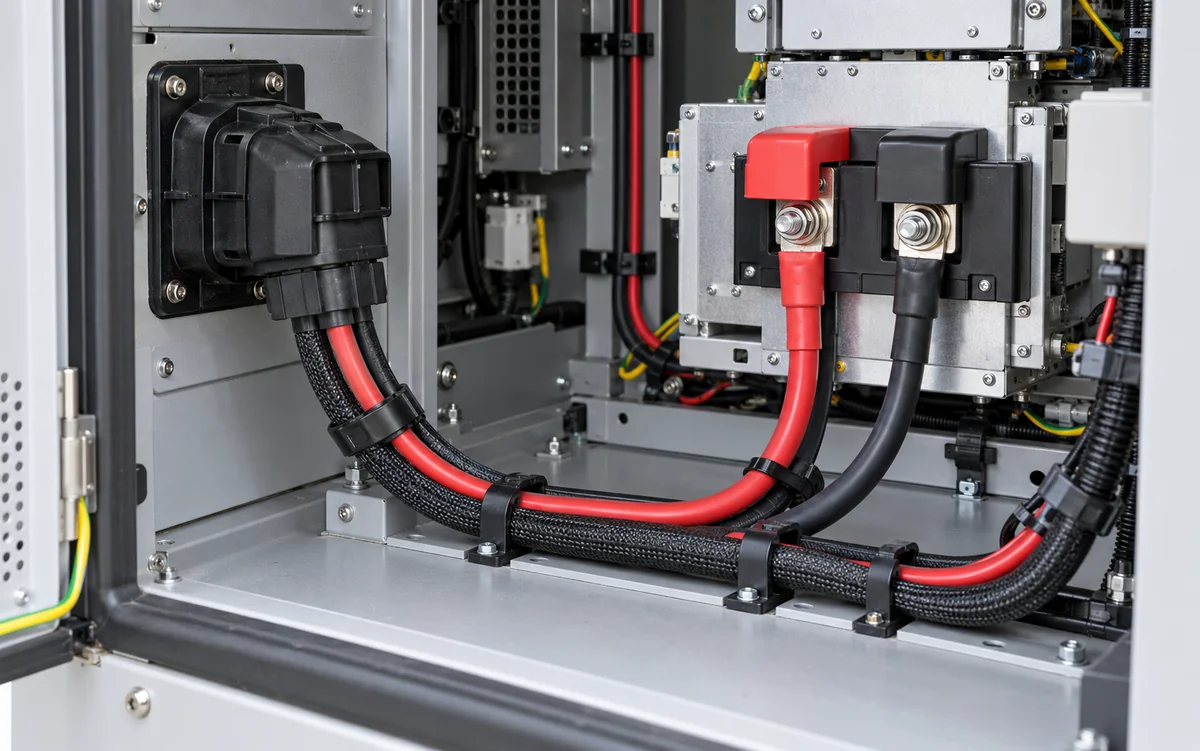
Charging Equipment Power Leads
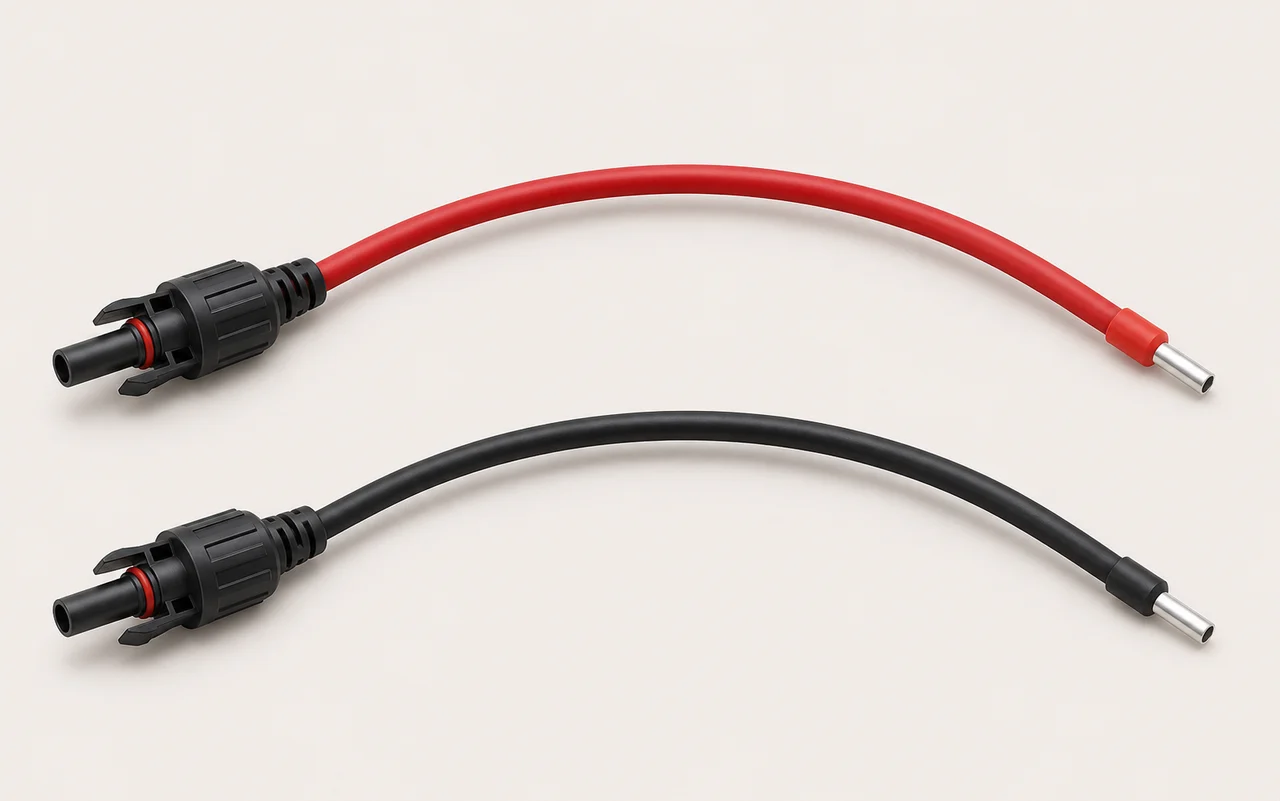
Plug-to-lug leads join a two-pole plug to two bolted ring terminals, red and black for polarity. Send the lug hole size, rated current and plug mating cycles with the drawing.

Engineering & Samples
Samples are ready in 3–7 days after the drawing review.
Drawing & BOM Review
The drawing and BOM are checked for conflicting part numbers, missing mating parts and wire sizes outside the terminal range before the sample is built.
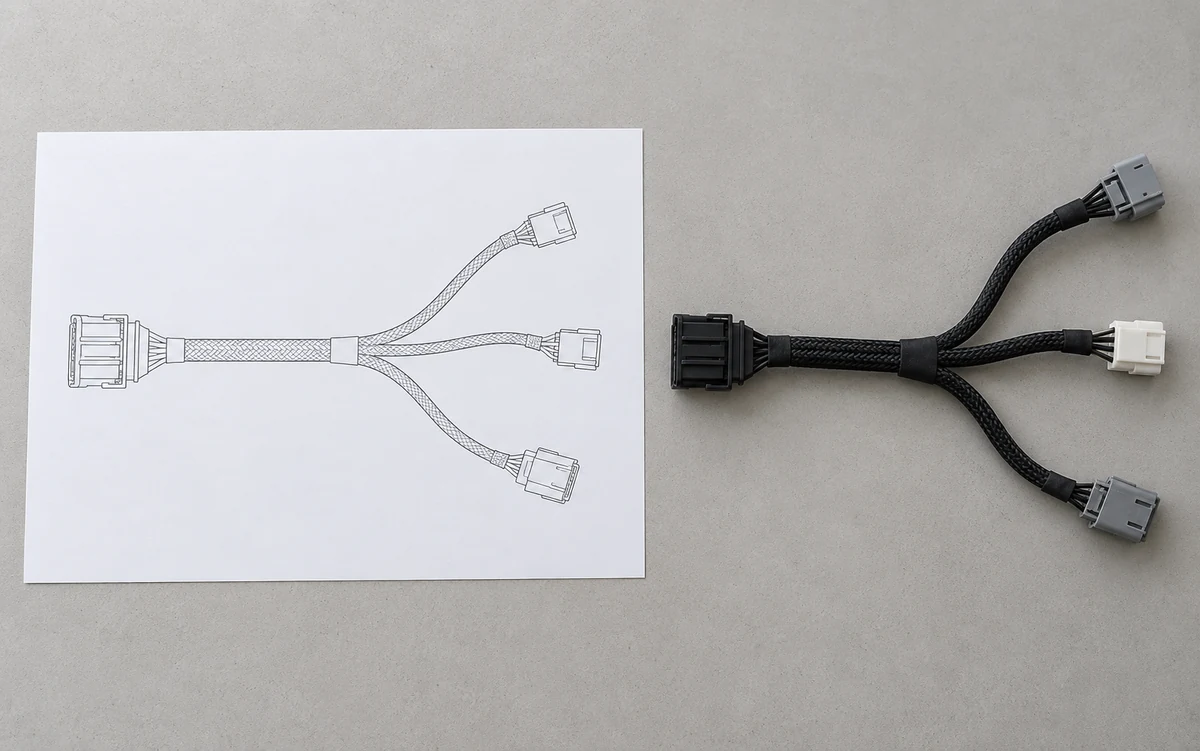
Samples for Equipment Trials
Fit the sample in the enclosure or on the racking to check plug access, bend radius and routing.
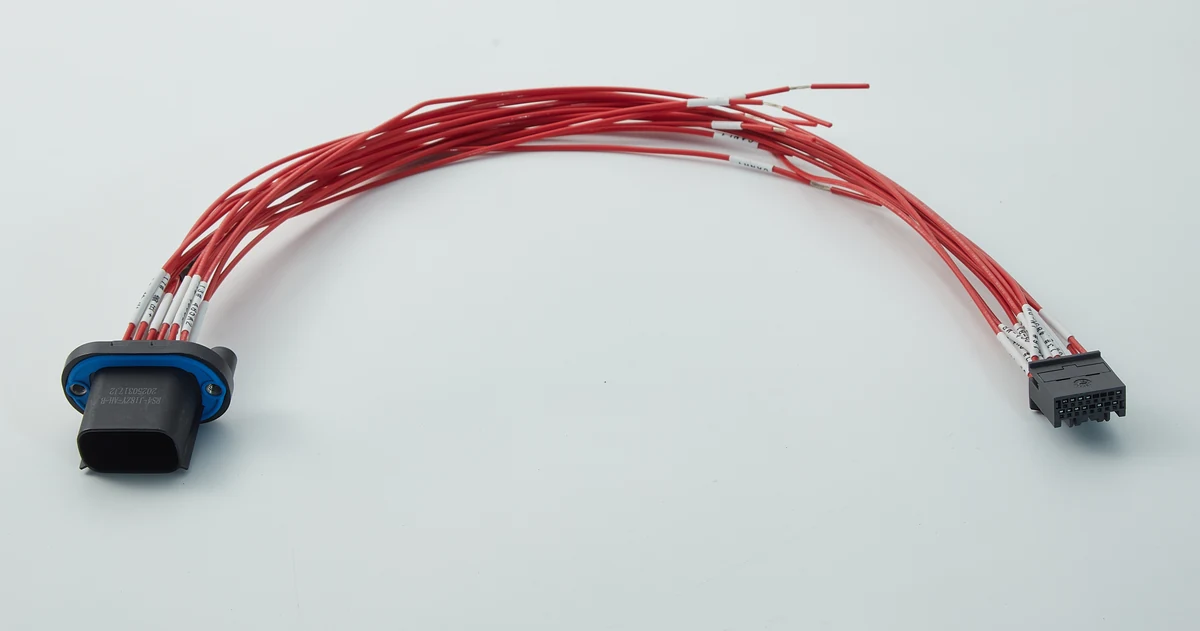
For a sample, send the drawing or BOM, the connector brand on the modules and the sample quantity.
From Quotation to Delivery
-
Quote & MOQ
Quotes list the unit price, MOQ and any tooling charge for new molded parts, based on your drawing and annual volume.
-
Sample Approval
Sample quotes list the parts included, the sample fee and the courier cost. Batch production is built to the approved sample and drawing revision.
-
Production Schedule
Batch production takes about 30 days after order confirmation. Component purchasing, new tooling and approvals can change that timing.
-
Packing & Dispatch
Cartons are packed by part number and quantity. Split shipments can follow your installation schedule.
Questions Before You Order
Are solar connectors universal?
No. MC4 is a Stäubli product name, and connectors from different makers are not guaranteed to mate safely. IEC 62548 requires mated plugs and sockets of the same type from the same manufacturer. Use JTY connectors where both mating halves are JTY parts.
Can ordinary cable be used instead of PV cable?
No. Building wire is not rated for long outdoor exposure to UV, ozone and moisture. European projects commonly specify H1Z2Z2-K to EN 50618, and North American projects use PV Wire to UL 4703. JTY PV cable is H1Z2Z2-K.
Does a solar connector keep its IP rating when unplugged?
No. IP67 and IP68 ratings apply to the mated connector. An unplugged end needs a sealing cap from the same connector maker.
Do certified components make the complete harness certified?
No. Component certificates cover the cable and connectors named in them. A finished harness needs its own assessment when a project requires a certified assembly. JTY holds UL and TÜV certificates. Name the standard your project requires in your inquiry.
Can you quote from a reference sample instead of a drawing?
Yes. A reference sample, photos or a sketch can start the quote. JTY engineers then list the details still needed for a production drawing.
Can a specified connector or cable be substituted?
Yes, with your written approval. Alternatives are quoted separately with their datasheets.
Send Your Drawing for a Quote
Send a drawing, BOM or sample photos. Connector brand and part number, wire size, quantity and the required certification speed up the quote.